
The Role of 5G Technology in the Evolution of Connected Devices and its Social Implications
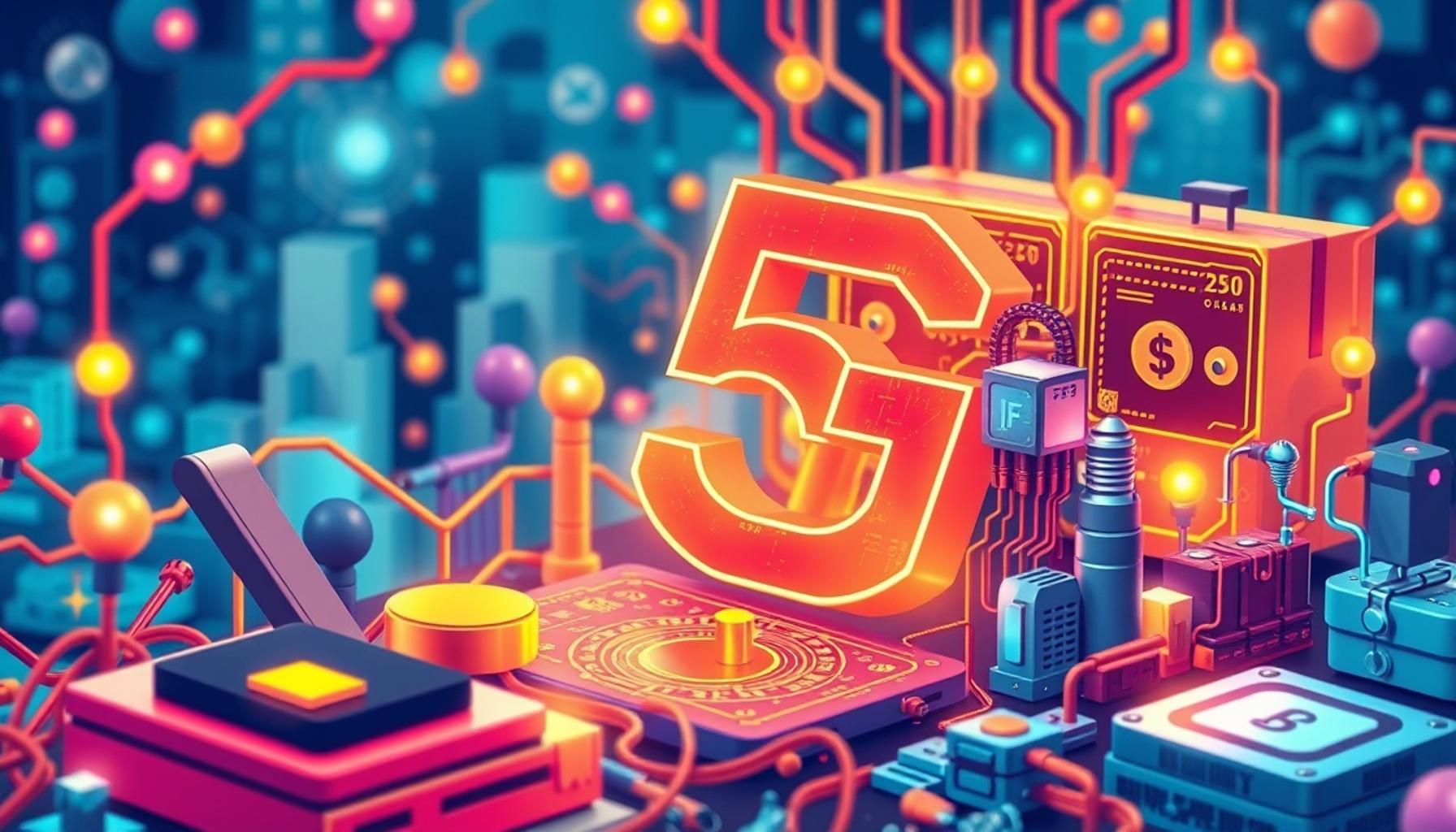
Understanding 5G Technology
As we step into an era marked by rapid technological advancements, 5G technology stands out as a game changer. This next generation of wireless connectivity is set to redefine how we interact with the world through connected devices. 5G does not just improve upon its predecessor, 4G; it revolutionizes the way data is transmitted and received, enabling a myriad of applications across various sectors.
Transformative Features of 5G
5G offers several transformative features that set it apart from previous wireless technologies:
- Increased Speed: 5G can be up to 100 times faster than 4G, allowing users to download movies and large files in seconds rather than minutes. For instance, a high-definition movie that takes about 10 minutes to download on 4G can be completed in less than a minute on 5G networks.
- Low Latency: The latency, or delay, in communication between devices can be as low as 1 millisecond with 5G. This near-instantaneous communication opens the door for applications like self-driving cars and remote surgery, where every split second counts.
- Mass Connectivity: 5G networks can support up to one million devices per square kilometer. This feature is crucial in environments like city centers, where thousands of devices, including sensors and smart appliances, need to operate seamlessly together.
Impact on Various Aspects of Life
The implications of 5G technology are far-reaching, affecting numerous facets of our daily existence:
- Smart Cities: With enhanced traffic management systems, 5G can revolutionize urban planning. For example, traffic lights can adjust in real-time based on vehicle flow, reducing congestion and improving travel times.
- Healthcare: 5G enables remote monitoring of patients and telemedicine capabilities, allowing healthcare providers to deliver timely and efficient care, especially in rural or underserved areas. Imagine being able to consult with a specialist live while your device transmits real-time health data.
- Entertainment: The rise of virtual reality (VR) and augmented reality (AR) experiences will flourish with the high speeds and low latency of 5G. Users can engage in immersive gaming or attend live concerts from the comfort of their homes, creating experiences that feel incredibly real.
Social Implications and Responsible Use
However, alongside these advancements, there are social implications to consider. As 5G technology becomes ubiquitous, issues of privacy and security are paramount. The increased connectivity raises concerns about data breaches and unauthorized surveillance, necessitating robust safety measures. Additionally, the digital divide—a gap between those with easy access to digital technology and those without—could potentially widen if the deployment of 5G is uneven, favoring urban areas over rural communities.
Thus, while embracing 5G technology and its benefits, it is essential to engage in dialogues about its responsible use. Stakeholders, including governments, tech companies, and citizens, must work together to ensure that innovation does not come at the expense of equity and safeguarding individual rights. Balancing the drive for progress with the need for protection will be crucial as we navigate this exciting new landscape of connected devices.
DISCOVER MORE: Click here to learn about the future of cybersecurity</p
The Transformative Potential of 5G in Connected Devices
The advent of 5G technology marks a pivotal moment in the evolution of connected devices, significantly enhancing our ability to interact with technology in ways previously thought impossible. With its remarkable speed, low latency, and capacity for mass connectivity, 5G serves as the backbone for innovations that hinge on real-time data exchange and seamless communication between devices.
Connected Devices: A New Era
As 5G technology continues to be deployed, we are witnessing a remarkable expansion in the spectrum of connected devices. From smartphones to smart home appliances and wearable technology, 5G creates new opportunities for devices to communicate more effectively and intelligently. Here are several noteworthy examples of its impact:
- Smart Home Devices: With 5G, smart home devices are becoming increasingly sophisticated. Imagine a refrigerator that can alert you when you’re running low on food, or a thermostat that learns your temperature preferences and adjusts accordingly in real time—all of this occurs seamlessly through 5G.
- Wearable Technology: Devices like smartwatches and fitness trackers will benefit immensely from 5G. Users can experience more reliable health monitoring, such as ECG readings and heart rate tracking, which can be shared instantly with healthcare providers, improving preventive care.
- Autonomous Vehicles: 5G is crucial for the development and operation of self-driving cars. The ability for vehicles to communicate with one another and with traffic infrastructure can enhance safety and optimize traffic flow, paving the way for smarter transportation systems.
The cumulative effect of these advancements means that the way we live and interact with our environment is bound to change dramatically. 5G technology elevates connected devices beyond simple functionality to an integrated ecosystem where they can work together to enhance user experiences and operational efficiency.
Revolutionizing Industries
Beyond individual devices, 5G technology is poised to revolutionize entire industries. Sectors such as agriculture, manufacturing, and retail are expected to undergo transformative changes:
- Agriculture: Smart farming utilizing 5G includes technologies like drones for crop monitoring and sensors that provide data on soil health, enabling farmers to make informed decisions about irrigation and pesticide use.
- Manufacturing: The implementation of 5G in manufacturing promotes automation through interconnectivity, allowing machines to communicate and adapt in real time, which increases efficiency and reduces downtime.
- Retail: Retailers can leverage 5G for personalized shopping experiences, such as augmented reality fitting rooms and immediate inventory checks, enhancing customer satisfaction and engagement.
As we embrace these advancements, the social implications of 5G technology will play a critical role in shaping the future landscape of connectivity. It raises important questions about access, equity, and ethical use, which will be explored further in the following sections. Understanding how 5G technology interacts with connected devices not only highlights its transformative potential but also brings attention to the responsibility that accompanies such innovation.
LEARN MORE: Click here to dive deeper
Social Implications of Enhanced Connectivity
As we witness the proliferation of connected devices enabled by 5G technology, it is essential to consider the broader social implications of this transformation. While advancements in connectivity promise numerous benefits, they also present challenges that must be thoughtfully addressed to ensure equitable access and ethical use.
Access and Equity
One of the most critical issues accompanying the rise of 5G-enabled devices is access to technology. In the United States, the digital divide remains a significant concern, with many rural and low-income communities lagging in internet access. The rollout of 5G technology, while enhancing connectivity for urban areas, may inadvertently exacerbate existing inequalities. For example, urban dwellers may enjoy the benefits of smart devices that optimize daily living, while individuals in underserved areas may lack the necessary internet infrastructure to leverage these innovations.
To mitigate this issue, policymakers and technology companies must collaborate to develop solutions that promote digital equity. This could involve expanding 5G infrastructure to rural areas and ensuring affordable service plans for low-income families so all members of society can participate in the digital world.
Data Privacy and Security
With the explosion of connected devices comes an increased flow of data, raising significant concerns about data privacy and security. For example, smart home devices collect substantial amounts of personal data to provide tailored experiences. However, the potential for data breaches poses risks to personal privacy. If connected devices lack robust security protocols, they could become targets for cyberattacks, compromising sensitive user information.
To address these challenges, it is crucial for manufacturers and service providers to prioritize security in their designs. This includes implementing encryption, regular software updates, and providing clear terms of service that inform users about data usage. User awareness about privacy settings should also be encouraged to empower individuals to take control of their data.
Dynamic Work Environments
The integration of 5G technology into connected devices is also redefining the workspace environment. Remote work, enhanced by virtual reality (VR) meeting platforms and augmented reality (AR) tools, is becoming increasingly viable as 5G allows for instantaneous communication and collaboration among teams. For example, remote workers can engage in VR meetings that foster a sense of presence, bridging the gaps that geographical distance imposes.
While this shift presents opportunities for increased flexibility and improved work-life balance, it also raises questions about workplace dynamics and employee well-being. As organizations adopt these technologies, it is essential to consider how they impact employee mental health and social connections within the workplace. Maintaining a balance between technology and human interaction will be critical to fostering a sustainable work culture.
Sustainability and Environmental Impact
Finally, the deployment of 5G-enabled connected devices has implications for sustainability and the environment. With smarter devices controlling resources more efficiently, such as energy management systems in smart buildings, there is potential for significant reductions in waste and energy consumption. For example, smart grids can help optimize energy usage, distributing electricity where it is needed most and reducing overall emissions.
Nevertheless, the production and disposal of connected devices also present environmental challenges. As newer technologies emerge, they can contribute to electronic waste and the depletion of natural resources. Therefore, it is essential for industry stakeholders to promote sustainable manufacturing practices and develop device recycling programs that minimize ecological footprints.
In light of these social implications, it becomes clear that while 5G technology holds transformative potential, it is crucial to approach its integration with a thoughtful lens, ensuring that connectivity benefits all layers of society while addressing ethical and environmental concerns.
DIVE DEEPER: Click here to uncover the impact of AI on the elections
Conclusion
As we delve into the transformative effects of 5G technology on the landscape of connected devices, it becomes evident that this evolution is not merely about enhancing speed and connectivity. It encapsulates a broader spectrum of social implications that demand our attention. The promise of improved access to technology can be a double-edged sword, potentially widening the existing digital divide if measures are not taken to provide equitable access for all communities across the United States.
The issues surrounding data privacy and security highlight the importance of responsibility among manufacturers and service providers. As connected devices permeate our lives, implementing robust security measures is essential to build user trust and safeguard personal information. Additionally, the shift towards dynamic work environments facilitated by 5G technology presents an opportunity to redefine workplace relationships and enhance employee flexibility, but it must also prioritize mental well-being and interpersonal connections.
Lastly, while 5G holds the potential to promote sustainability through smarter resource management, it also necessitates a commitment to environmentally friendly practices in device production and disposal. Embracing these challenges with a proactive approach will be key in harnessing the potential of 5G, ensuring that its benefits are felt across all spectrums of society.
In conclusion, the integration of 5G technology into our connected world is an exciting frontier filled with promise, but it is imperative that we navigate this path with a focus on equity, privacy, and sustainability. By doing so, we can truly unlock the potential of connected devices to enhance our lives while fostering a healthier society.

Linda Carter
Linda Carter is a writer and expert known for producing clear, engaging, and easy-to-understand content. With solid experience guiding people in achieving their goals, she shares valuable insights and practical guidance. Her mission is to support readers in making informed choices and achieving significant progress.