Menu

The Rise of Robots in Industry: Automating the Future of Work

The industrial workforce is rapidly evolving as advanced robotics and automation reshape production processes across sectors. While enhancing efficiency, cost-effectiveness, and safety, this transformation also prompts discussions about job displacement. Embracing robotic collaboration fosters innovation and requires a focus on reskilling the workforce for a future intertwined with technology.

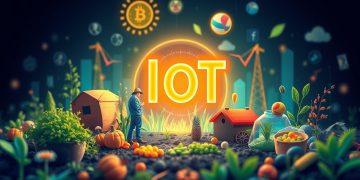
How the Internet of Things (IoT) Is Transforming Agriculture in the US

The integration of IoT technologies is revolutionizing agriculture in the U.S. by enhancing productivity and sustainability through precision farming, livestock monitoring, and smart irrigation. These innovations enable farmers to optimize resource management, reduce waste, and foster community knowledge sharing, ultimately promoting environmentally responsible practices in the sector.

The Evolution of Augmented Reality in the Retail Sector

Augmented Reality has transformed the retail landscape by enhancing consumer engagement and personalization. Key advancements in technology have enabled features like virtual fitting rooms and interactive displays, enriching the shopping experience. Retailers are leveraging AR to boost sales and foster deeper connections with customers in an increasingly competitive market.

The Influence of 5G Technologies on Connectivity and Business Innovation

The emergence of 5G technology is transforming connectivity and driving business innovation across various sectors. With enhanced speed, reduced latency, and increased device connectivity, companies can optimize operations, create engaging customer experiences, and explore new business models, ultimately shaping a more efficient and dynamic digital landscape.

The Role of Smart Cities in Resilience Against Climate Change

Urban areas face escalating climate change challenges, but smart cities offer innovative solutions to enhance resilience. By integrating advanced technologies, renewable energy, and community engagement, these cities improve infrastructure, respond proactively to environmental threats, and foster sustainable living, ultimately ensuring adaptability against future climate adversities.

The Impact of Artificial Intelligence on Government Decision-Making

Artificial Intelligence is revolutionizing government decision-making, enhancing efficiency, and improving resource allocation through predictive analysis and real-time data monitoring. While offering significant advantages, it also raises ethical concerns around bias and data security, necessitating careful implementation to ensure transparency and public trust in AI-driven governance.

The Rise of Augmented Reality: Transforming the Consumer Experience in Retail

Augmented reality is revolutionizing the retail landscape by enhancing consumer experiences through immersive, interactive shopping. With features like virtual try-ons, personalized recommendations, and gamification, retailers are fostering deeper engagement and brand loyalty, ultimately redefining how consumers connect with products and making informed purchasing decisions.

Blockchain Beyond Cryptocurrencies: Innovative Applications Across Various Sectors

Blockchain technology is evolving beyond cryptocurrencies, showcasing innovative applications across various sectors. Its unique features—decentralization, transparency, and immutability—are transforming supply chain management, healthcare, finance, voting systems, real estate, entertainment, education, and energy. These advancements promise enhanced efficiency, trust, and security in diverse industries, reshaping modern practices.


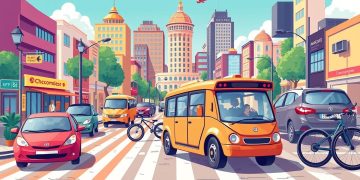
The Revolution of Autonomous Vehicles: Challenges and Opportunities for Urban Transportation

Autonomous vehicles are transforming urban transportation by enhancing safety, efficiency, and accessibility. While they offer significant opportunities for reducing accidents and improving traffic flow, challenges such as regulatory frameworks, public perception, and infrastructure readiness must be addressed to fully integrate this revolutionary technology into our cities.

The Impact of Artificial Intelligence on the Transformation of the Healthcare Sector

The integration of artificial intelligence in the healthcare sector is transforming diagnostics, personalized treatment, and operational efficiency. AI enhances diagnostic accuracy, tailors treatment plans, and streamlines administrative tasks, leading to improved patient care and outcomes. Ethical considerations and equitable access remain essential as AI continues to revolutionize healthcare services.