
The Future of Electric Vehicles and Their Impact on Urban Infrastructures
Understanding the Shift Towards Electric Vehicles
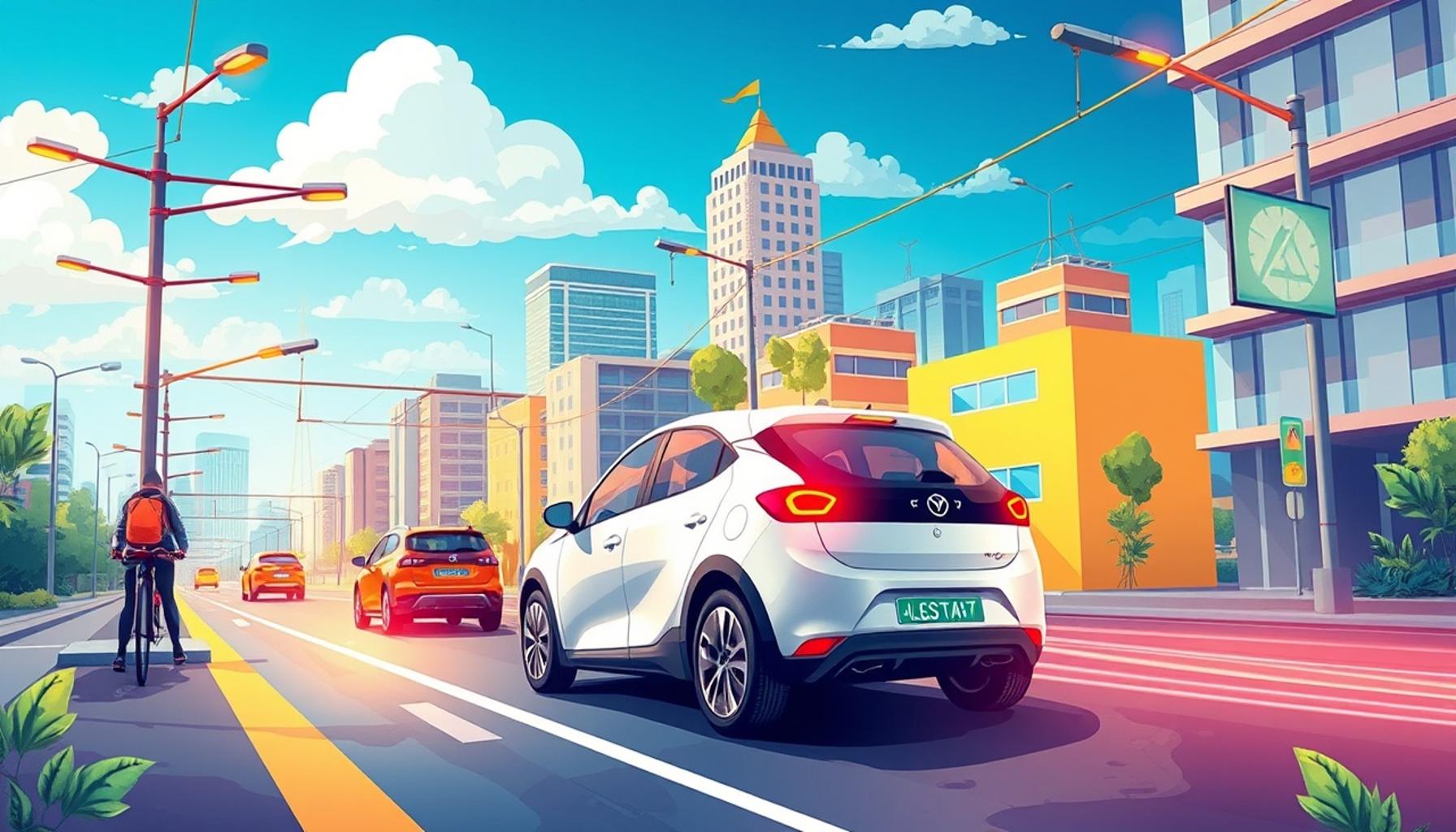
The transition to electric vehicles (EVs) is reshaping our cities and transport systems in unprecedented ways. As more people embrace electric mobility, we observe a significant shift in urban infrastructures. Understanding this evolution is essential for grasping the future of our city landscapes. Major metropolitan areas in the United States, such as Los Angeles and New York City, are witnessing rapid developments in their transportation frameworks as they aim to promote sustainability while enhancing urban living.
Key Factors Driving the Move Towards EVs
Several crucial factors are propelling the adoption of electric vehicles across the nation:
- Environmental benefits: Electric vehicles produce zero tailpipe emissions, which significantly reduces air pollutants such as nitrogen oxides and particulate matter. This pollution reduction contributes to cleaner air quality, especially in densely populated areas where smog has historically been a problem. For instance, a substantial increase in EV usage in cities like San Francisco has led to a measurable decrease in air quality issues, benefiting public health and overall urban livability.
- Technological advancements: Innovations in battery technology have resulted in longer ranges and faster charging times for EVs. Vehicles like the Tesla Model 3 and Ford Mustang Mach-E can now travel over 300 miles on a single charge, with many charging stations available, making long-distance travel feasible. These advancements also mean that EVs can compete directly with traditional gasoline vehicles in terms of performance and convenience.
- Government incentives: Many states offer tax credits, rebates, and grants to consumers who purchase electric vehicles. For example, California provides up to $7,000 in state tax credits, significantly reducing the upfront costs for buyers and encouraging more individuals to transition to electric mobility.
Challenges and Opportunities for Urban Planning
The proliferation of electric vehicles presents both challenges and opportunities for urban planning. Cities must adapt to accommodate various infrastructural changes:
- Charging infrastructure: As the number of EVs increases, the demand for public and private charging stations surges. Cities like San Diego are proactively installing fast-charging stations in various locations, such as shopping centers and parking structures, to ensure EV users have easy access to charging options.
- Traffic management: The integration of EVs into urban environments necessitates modifications to existing road systems. Traffic flow can be improved with smart traffic lights and designated EV lanes, which may help reduce congestion. For example, cities such as Seattle are experimenting with smart technology that adjusts traffic signals based on real-time traffic conditions, benefiting all vehicles, including EVs.
- Public transportation integration: Utilizing electric buses and shuttles is pivotal in enhancing urban mobility. Cities like Minneapolis are adopting electric bus fleets, which not only help decrease emissions but also provide reliable and efficient transit options for residents. This shift encourages more people to use public transportation, further diminishing reliance on conventional vehicles.
Through careful planning and innovation, urban infrastructures can evolve to meet the needs of a growing EV population. This transformation is not just about vehicles, but also about creating sustainable and efficient urban environments. By investing in infrastructure that supports electric vehicles, urban planners have the opportunity to foster cleaner, more resilient cities that enhance the quality of life for all residents.
In the following sections, we will explore these impacts in greater detail, delving into specific examples and discussing the future of electric mobility in American cities.
DIVE DEEPER: Click here to uncover the implications of 5G on data privacy
Transforming Urban Landscapes with Electric Vehicles
The rise of electric vehicles (EVs) is not just a technological milestone; it signifies a profound transformation in how we perceive and design our urban environments. As cities strive to reduce their carbon footprints, integrating EVs into the fabric of urban life becomes imperative. This integration leads to a reassessment of urban planning strategies and challenges cities to innovate their infrastructures, ensuring they are equipped to support this green revolution.
Redefining Mobility and Public Spaces
The shift toward electric vehicles fundamentally changes how people move around cities. Unlike traditional gas-powered vehicles, EVs pave the way for a new era of mobility that emphasizes efficiency and eco-friendliness. This transition requires cities to rethink their existing transportation models:
- Pedestrian and bike-friendly designs: With an increase in electric vehicles, cities can prioritize pedestrian and cyclist infrastructure. For instance, urban areas like Portland are increasingly implementing bike lanes and pedestrian-only zones, encouraging healthier lifestyles while easing vehicle congestion. As electric vehicles gain prominence, planners can allocate road space more efficiently, potentially reducing reliance on cars altogether.
- Mixed-use developments: Urban planners are envisioning multi-functional spaces that incorporate residential, commercial, and recreational facilities in close proximity. As seen in cities like Denver, integrating EV charging stations into these developments will facilitate the use of electric mobility while promoting walkability, thereby enhancing quality of life.
- Shared mobility services: The rise of electric ride-sharing and car-sharing programs supports sustainable transportation options. Cities such as San Francisco have witnessed the introduction of electric scooters and bikes, reducing the need for individual car ownership. These services encourage a shift towards shared mobility solutions, which can alleviate parking shortages and decrease traffic congestion.
Every urban center must build a framework that not only accommodates but actively promotes the use of electric vehicles. This is where collaboration among city officials, businesses, and residents becomes vital. Stakeholders can work together to develop policies that encourage electric vehicle adoption while constructing the infrastructure to support it. For example, partnerships between local governments and private companies can lead to significant investments in charging networks, ensuring that EV owners have access to convenient charging options throughout the city.
The Economic Dimension of Electric Vehicle Adoption
In addition to environmental and mobility advantages, the economic impact of integrating electric vehicles into urban infrastructures cannot be overlooked. Cities are recognizing that a stronger EV presence can stimulate local economies in various ways:
- Job creation: The electric vehicle sector has the potential to generate new job opportunities across the manufacturing, installation, and maintenance of EV-related technologies. For instance, an increased demand for EV chargers will necessitate skilled labor, encouraging workforce training programs that prepare workers for jobs in this expanding field.
- Boosting local businesses: With more EV owners in the vicinity, local businesses can thrive by catering to this growing market. For instance, cafes and restaurants that provide EV charging stations attract customers who need to recharge both their vehicles and themselves, creating an additional revenue stream for local establishments.
- Investment in green technologies: Urban areas that prioritize electric vehicles may see an influx of investment in sustainable technologies. This can further enhance a city’s reputation as a leader in sustainability, attracting companies and residents interested in innovation and progress.
As urban landscapes continue to evolve alongside the electric vehicle movement, cities have a unique opportunity to shape a future that promotes sustainability, mobility, and economic growth. By rethinking infrastructure and policies, urban planners can create vibrant environments that benefit both residents and the planet.
DIVE DEEPER: Click here to discover more
The Technological Landscape: Innovations and Infrastructure Needs
The future of electric vehicles (EVs) is closely tied to advancements in technology that not only enhance vehicle performance but also necessitate the evolution of urban infrastructures. As we look toward a widespread adoption of EVs, it is crucial to understand how technological innovations impact infrastructure requirements.
Advancing Charging Technologies
One of the most critical aspects of integrating electric vehicles into urban settings is the development of efficient charging technologies. The current charging landscape includes a mix of:
- Level 1 Charging: This is the slowest form of charging, typically using a standard household outlet. While Level 1 charging may suffice for overnight home charging, it is insufficient for high-traffic urban areas, necessitating the installation of more robust systems.
- Level 2 Charging: These chargers provide a moderate charging solution suitable for public installations at workplaces, shopping malls, and parking lots. They can fully charge an EV in several hours, making them an effective option for urban areas where drivers may park for extended periods.
- DC Fast Charging: Rapid charging solutions, such as those offered by companies like Tesla, can recharge a vehicle in as little as 30 minutes. Cities must strategize the placement of these fast-charging stations to accommodate commuters and tourists alike, bolstering the convenience of using EVs.
As charging technology continues to evolve, urban planners must stay ahead of the curve, ensuring that infrastructures adapt to include these innovations. For instance, integrating smart charging stations that utilize renewable energy sources can enhance energy efficiency and reduce costs associated with electricity demand during peak hours.
Smart Infrastructure and Connectivity
The future of electric vehicles is also inextricably linked to the concept of smart cities. These urban areas leverage technology to improve efficiency, sustainability, and quality of life. The adoption of smart infrastructure can enhance the electric vehicle ecosystem in several key ways:
- Vehicle-to-Grid (V2G) Technology: This innovative approach allows EVs to send energy back to the grid when they are not in use, providing additional electricity during peak demand times. Cities that implement V2G technology can create a more resilient energy grid while lowering costs for EV owners and contributing to a cleaner energy distribution model.
- Real-time Data Management: Using applications and connected vehicle technology, urban centers can gather valuable data on driving patterns, charging habits, and traffic flows. This information enables cities to optimize traffic management systems and reduce congestion while enhancing the user experience for electric vehicle operators.
- Integrated Public Transit Systems: Smart infrastructure plays a critical role in creating cohesive public transit options that include electric vehicles. Cities can expand their charging networks to serve electric buses and rideshare programs, making sustainable transportation a seamless option for residents.
These advancements not only accommodate the needs of electric vehicle users but also contribute to an overarching vision of sustainable and resilient urban environments. By embracing smart technologies, cities can ensure that they remain competitive and livable while supporting the growing trend of electric vehicle adoption.
Policy and Regulatory Frameworks for Effective Implementation
Finally, the successful integration of electric vehicles into urban infrastructure demands an effective policy and regulatory framework. Legislation at local, state, and national levels can promote electric vehicle adoption through:
- Incentives for EV Purchases: Tax credits and rebates can encourage consumers to invest in electric vehicles, helping to accelerate the transition to greener transportation.
- Zoning Reforms: Cities must revise zoning laws to allow for the installation of charging infrastructure, particularly in commercial and residential developments, ensuring that all neighborhoods have access to convenient charging options.
- Funding for Infrastructure Projects: Public-private partnerships can help secure funding for developing robust charging networks and integrating smart technologies into urban planning. The government’s support in this area can significantly impact the speed and success of EV integration.
As the landscape for electric vehicles continues to evolve, it is critical that cities adopt a proactive approach to infrastructure planning and policy-making. By doing so, they will foster a sustainable, efficient, and vibrant urban environment that supports the next generation of transportation solutions.
DIVE DEEPER: Click here to learn more
Conclusion
The future of electric vehicles (EVs) promises not only to revolutionize the automotive industry but also to reshape the urban landscapes in which they operate. As we have explored, the integration of EVs into city environments brings about significant advancements in charging technologies, smart infrastructure, and regulatory frameworks. By embracing innovative charging solutions and establishing supportive policies, cities can create a robust network that facilitates the seamless use of electric vehicles.
A key takeaway is the emphasis on collaboration among stakeholders, including government entities, private companies, and community members. This collaboration is essential for developing charging infrastructures that are accessible, affordable, and efficient. For instance, cities must consider various charging options, such as Level 2 and DC fast chargers, ensuring they are strategically placed to serve both residents and tourists effectively.
Moreover, the emergence of smart technologies, such as Vehicle-to-Grid (V2G) systems and real-time data analytics, lays the foundation for cities to manage energy use intelligently while enhancing the overall urban experience. These innovations not only cater to the immediate needs of electric vehicle users but also align with broader goals of sustainability and resilience in urban planning.
Looking ahead, the adoption of electric vehicles is not merely an isolated technological shift, but rather a profound transformation that can positively impact air quality, reduce traffic congestion, and promote sustainable development. To fully realize this potential, it is crucial that cities remain proactive in their approach, continually adapting policies and infrastructures to support the evolving landscape of transportation. Ultimately, the future of electric vehicles is intrinsically linked with our commitment to building smarter, cleaner, and more livable urban environments.

Linda Carter
Linda Carter is a writer and expert known for producing clear, engaging, and easy-to-understand content. With solid experience guiding people in achieving their goals, she shares valuable insights and practical guidance. Her mission is to support readers in making informed choices and achieving significant progress.