
The Evolution of Smart Cities: How Technology is Redefining Urban Life
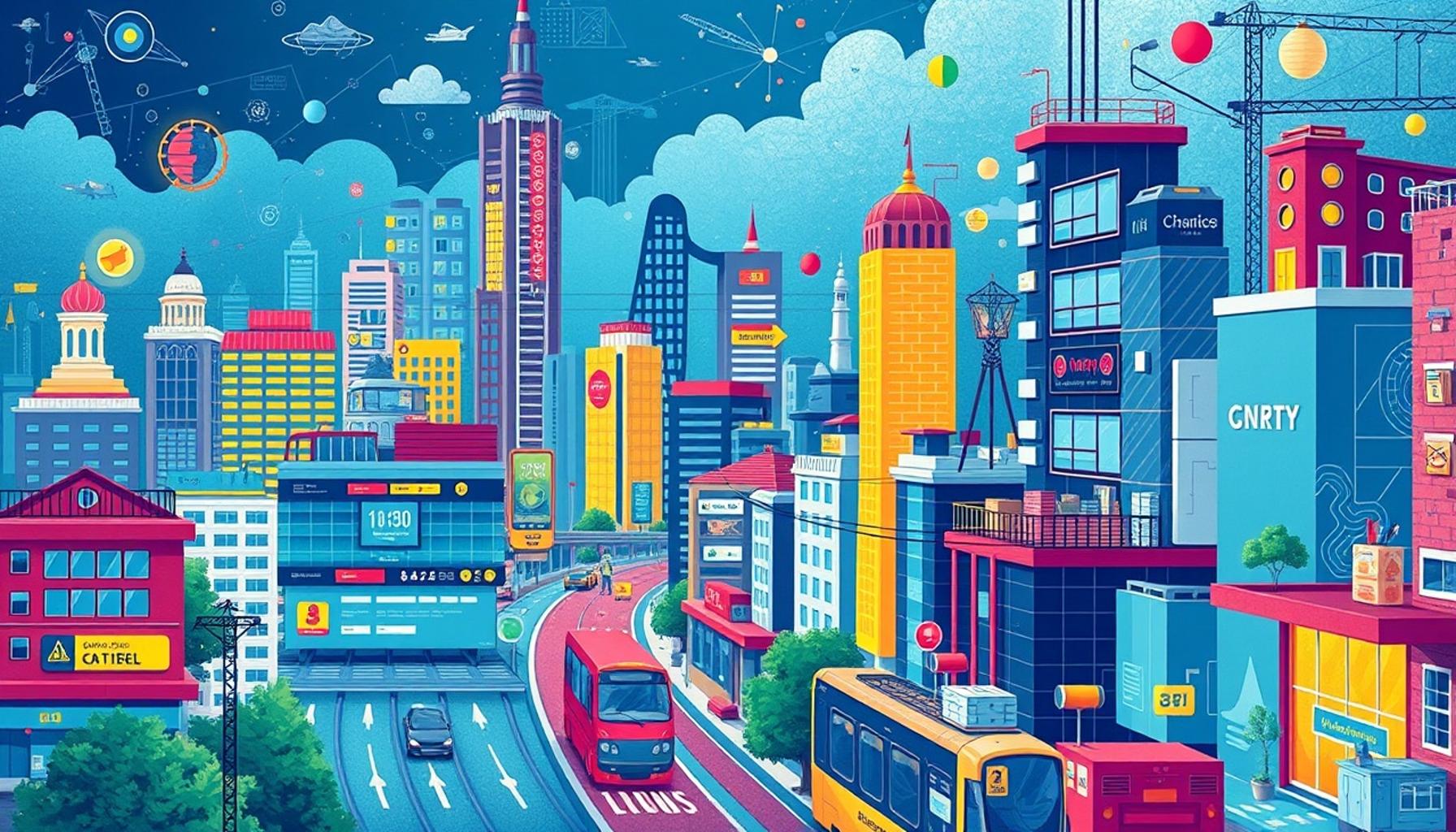
Urban Transformation through Technology
Urban environments are increasingly evolving due to the integration of advanced technologies and innovative practices. The population surge in cities is not just changing the skyline but also driving urban planners and leaders to rethink how we live, work, and interact. This dynamic shift towards smart city concepts aims to enhance the quality of life for residents while addressing critical challenges brought on by urbanization.
Key Characteristics of Smart Cities
This evolution is typified by several key features:
- Enhanced connectivity: The use of the Internet of Things (IoT) is revolutionizing urban life by interconnecting various devices and systems. For instance, smart streetlights can adjust their brightness based on the presence of pedestrians, thereby conserving energy while improving safety.
- Data-driven decision making: By harnessing big data, cities can optimize services like traffic management. For example, cities like Los Angeles use real-time traffic data to adjust traffic signals, significantly reducing congestion during peak hours.
- Sustainability initiatives: Many urban areas are championing green technologies and renewable energy sources. San Francisco, for instance, has invested heavily in solar energy and waste recycling programs, aiming for a zero waste goal by 2030.
Addressing Urban Challenges
Smart cities seek to tackle pressing urban issues with innovative solutions. For example:
- Congestion: Cities are implementing smart traffic signals linked to real-time traffic applications, which help in alleviating gridlocks. An example can be seen in Houston, where adaptive traffic control systems adjust lights based on current traffic conditions.
- Public safety: Through the utilization of smart surveillance systems, urban areas can enhance crime prevention and significantly improve response times. Cities like Chicago are using predictive analytics to anticipate crime hotspots, allowing law enforcement to allocate resources more effectively.
- Energy management: The development of smart grids allows for more efficient distribution and management of energy. Take New York City, where smart meters are empowering residents to monitor their energy usage closely, leading to decreased consumption and savings on utility bills.
Conclusion
As demonstrated, cities like San Francisco, New York, and Chicago lead the charge in this transformative journey toward smarter urban living. The integration of these technologies is not merely a passing trend; it is a critical evolution necessary for adapting to the growing demands placed on urban infrastructure. The future of urban living relies on these innovations to cultivate environments that are not only livable and efficient but also sustainable for generations to come.
DISCOVER MORE: Click here to learn about the impact of AI and 5G
Revolutionizing Urban Infrastructure
The foundation of smart cities lies in their ability to transform traditional infrastructure into highly efficient systems through technology. This transition involves upgrading several essential services and integrating modern solutions that improve everyday life for residents. Consider how municipalities are utilizing smart technology to make bold changes in areas such as transportation, waste management, and public health.
Transportation Innovations
Transportation is one of the most significant sectors benefiting from smart city development. With populations in urban areas rapidly increasing, traffic congestion has become a prevalent issue. Cities are responding with intelligent transportation systems designed to streamline traffic flow and enhance commuter experiences. Here are a few notable advancements:
- Smart public transportation: Transit agencies are using real-time data to inform riders of bus and train schedules, allowing them to plan their journeys more efficiently. For instance, the Washington Metropolitan Area Transit Authority (WMATA) utilizes real-time tracking apps to provide commuters up-to-date information on arrivals and delays.
- Shared mobility solutions: Many cities are embracing ride-sharing and bike-sharing programs that encourage residents to use alternative modes of transportation. For example, companies like Lyft and Uber have collaborated with various city governments to offer integrated ride and public transit options, ultimately reducing the number of single-occupancy vehicles on the road.
- Electric vehicles (EV) infrastructure: In a bid to promote sustainability, cities are building extensive networks of charging stations for electric vehicles. Cities like Los Angeles are investing in fast-charging stations to support their growing number of electric cars, making it more convenient for residents to switch to cleaner energy options.
Waste Management Efficiency
Another area in which technology is playing a vital role is waste management. Smart cities are adopting innovative practices that utilize sensor technology and data analytics to optimize waste collection and recycling processes:
- Smart bins: Equipped with sensors, these bins can monitor fill levels and notify waste management services when they need to be emptied. Cities like Seoul in South Korea are implementing these systems, which result in more efficient collection routes and reduced labor costs.
- Recycling incentives: Some municipalities, such as Philadelphia, are introducing programs that reward residents for recycling and proper waste disposal. By using mobile applications that track recycling habits, residents earn points that can be redeemed for local discounts or rewards.
These advancements in transportation and waste management illustrate how technology is not just enhancing efficiency but also paving the way for a sustainable urban future. With each innovation, cities become more responsive to the needs of their residents, establishing a solid foundation for the continual evolution of urban life.
DIVE DEEPER: Click here to discover more about AI in customer service
Enhancing Quality of Life through Smart Technology
Beyond infrastructure improvements, the evolution of smart cities significantly enhances the quality of life for urban dwellers. By integrating advanced technology into everyday services, cities are making environments that are not only more accessible but also more livable. This transformation touches on various aspects, from public safety and environmental sustainability to community engagement and health services.
Public Safety Innovations
Public safety is a critical focus area in smart city advancements. Integrating technology into security measures helps to ensure residents feel safe in their neighborhoods. Some of the notable innovations include:
- Smart surveillance systems: Cities are deploying smart cameras equipped with artificial intelligence to monitor public spaces. For example, in places like Cincinnati, Ohio, these systems can analyze video feeds for suspicious activity, helping law enforcement respond more quickly to incidents.
- Emergency response coordination: By using real-time data and analytics, emergency services can optimize response times. Systems that prioritize urgent calls and utilize predictive analytics to anticipate hotspots for crime significantly enhance community safety, as evidenced by efforts in cities like San Francisco.
- Disaster response technologies: Smart cities are also developing technologies that can improve disaster preparedness and response. For instance, New Orleans employs mobile applications that send out alerts to residents during natural disasters, providing critical information about evacuation routes and emergency services.
Environmental Sustainability Initiatives
As climate change continues to be a pressing challenge, smart cities are at the forefront of implementing environmentally friendly solutions that promote sustainability:
- Smart energy management: Cities are investing in technologies that monitor energy usage and promote conservation. For example, New York City has implemented smart meters that allow residents to track their energy consumption in real-time, encouraging them to reduce use during peak hours.
- Urban green spaces: Sustainability is further enhanced through the design of urban spaces that incorporate green infrastructure, such as parks with smart irrigation systems. Cities like Singapore have integrated vertical gardens and green roofs, effectively reducing the urban heat island effect while improving air quality.
- Water management systems: Advanced sensors are also being deployed to monitor water quality and usage across cities. Smart irrigation systems and leak detection technologies not only conserve water but also reduce costs for municipalities and residents alike, as seen in cities like Los Angeles.
Health and Community Engagement
Healthcare services are increasingly infused with technology in smart cities, leading to improved public health outcomes. Consider these innovations:
- Telehealth options: Smart city initiatives often include telehealth platforms that allow residents to access healthcare services remotely, increasing accessibility and reducing strain on local health facilities. For example, cities like Houston are connecting citizens with healthcare providers through telemedicine services, especially in underserved neighborhoods.
- Community platforms: Engaging residents in decision-making processes has never been easier, thanks to online platforms. Cities like Boston have launched applications that allow residents to voice their opinions on local projects, such as urban planning initiatives or community improvements, fostering a sense of ownership.
The integration of these smart technologies contributes to a more responsive urban environment, where convenience meets sustainability, safety, and public health. As communities embrace these advancements, the transformation of urban life becomes increasingly profound, creating spaces that prioritize the wellbeing of their residents. The journey towards smarter cities is just beginning, and the potential for continuous improvement is immense.
DISCOVER MORE: Click here to learn about the impact of AI on communication
Conclusion
The evolution of smart cities represents a remarkable shift in how technology is reshaping urban life. As we have explored, the integration of smart technologies enhances public safety, promotes environmental sustainability, and fosters community engagement, ultimately leading to a higher quality of life for residents. Through innovations such as smart surveillance systems that improve security and telehealth platforms that expand healthcare access, cities are moving towards more interconnected and responsive infrastructures.
Moreover, the partnership between governments and technology providers is crucial in the ongoing development of these urban landscapes. Cities like New York and Houston serve as prime examples of how data-driven solutions can lead to significant improvements in service delivery and resident participation. As the journey towards smarter cities unfolds, it becomes evident that the integration of technology is not just a matter of convenience, but a prerequisite for addressing pressing urban challenges such as climate change and public health crises.
Looking ahead, the potential for continuous improvement remains immense. With each leap forward, we are redefining what urban living can be, fostering environments that prioritize safety, sustainability, and health. The future of smart cities is not merely about adopting new technologies; it’s about creating a holistic approach that enhances the human experience within urban settings. In this evolving narrative, every resident has a role to play, making active participation in their communities not just encouraged, but essential.

Linda Carter
Linda Carter is a writer and expert known for producing clear, engaging, and easy-to-understand content. With solid experience guiding people in achieving their goals, she shares valuable insights and practical guidance. Her mission is to support readers in making informed choices and achieving significant progress.