
The Future of Urban Mobility: Autonomous Vehicles and Intelligent Transport Solutions
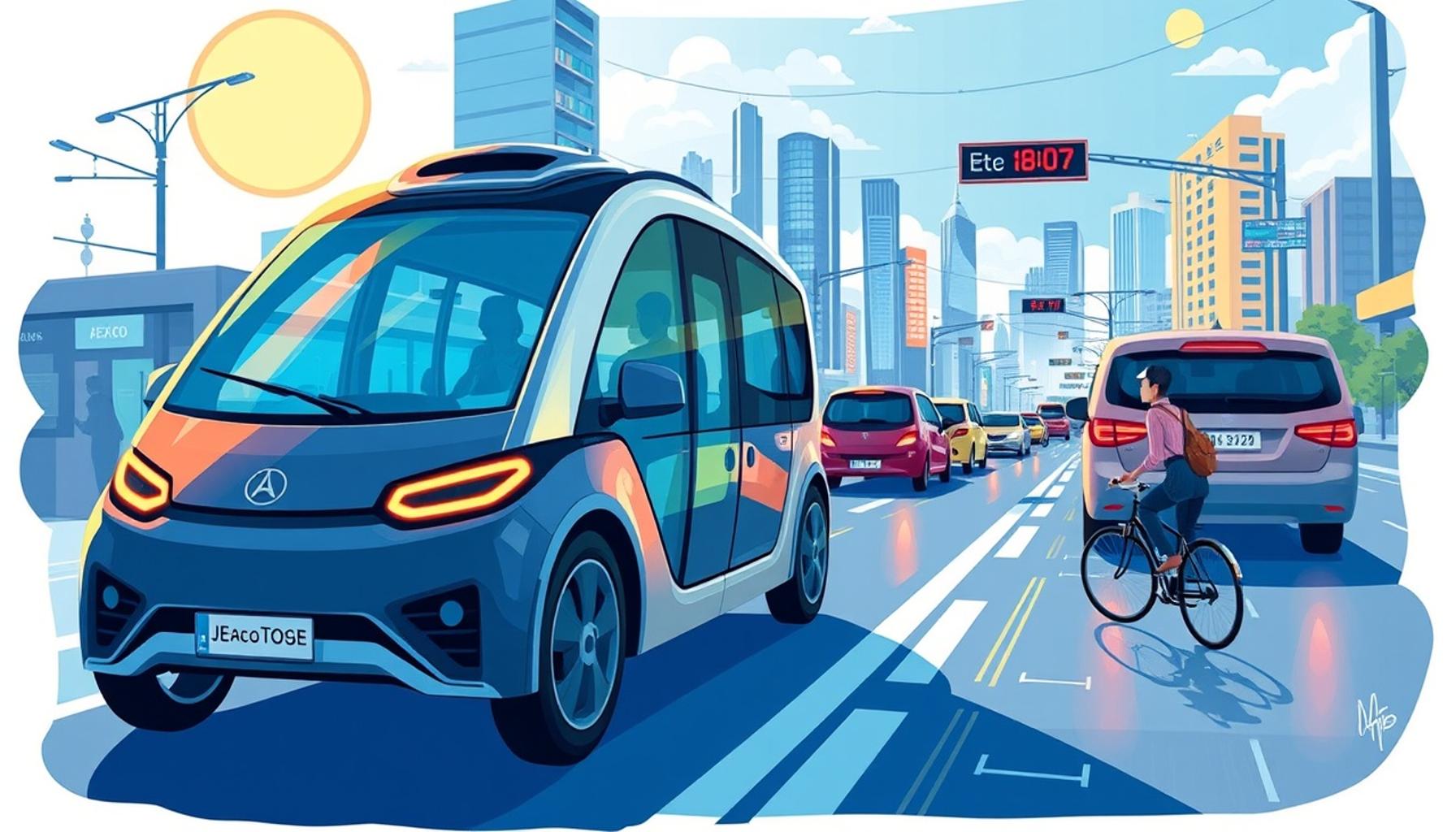
Transforming Urban Mobility
The rapid evolution of technology is reshaping how we perceive urban mobility. With the advent of autonomous vehicles and intelligent transport solutions, cities are on the brink of a transformational change in transportation systems. This shift promises to enhance safety, efficiency, and environmental sustainability.
Modern urban environments are increasingly marked by the integration of smart technology into everyday transportation. Cities like San Francisco and Austin are at the forefront of this change, implementing pilot programs that test self-driving cars which can navigate urban streets without human input. These vehicles utilize a variety of sensors and algorithms to detect and respond to their surroundings, greatly reducing the likelihood of accidents caused by human error.
In addition to autonomous vehicles, smart traffic management systems are being developed to optimize traffic flow. Places like Los Angeles are leveraging real-time data to adjust traffic signal timings based on congestion levels, reducing wait times and improving overall traffic efficiency. These systems can communicate with vehicles, allowing for smoother journeys and the potential for reduced emissions as cars avoid prolonged idling.
Shared mobility services, such as ride-sharing and bike-sharing programs, are revolutionizing how we travel. For instance, companies like Uber and Lyft have expanded their services to offer ride-pooling options, which efficiently match passengers heading in the same direction. On the other hand, cities like New York have successfully integrated bike-sharing initiatives, providing residents with environmentally friendly commuting options that alleviate pressure on public transit systems.
As urban populations continue to grow, traditional transportation systems face increasing pressure. Innovations in technology aim to address pressing issues such as:
- Traffic congestion which wastes time and resources.
- High emissions from vehicles contributing to climate change and air pollution.
- Accessibility for all citizens, ensuring that everyone can move freely within the city.
By integrating autonomous vehicles into our cities, we can envision a future where public transport is more reliable and efficient. For instance, autonomous buses could operate on predetermined routes, adjusting their schedules based on passenger demand measured through mobile application data. This could lead to decreased wait times and a more responsive public transport system.
The collaboration between government, industry, and technology developers will be crucial in making these dynamic changes a reality. Engaging communities in discussions about these advancements is essential to ensure that the benefits of such technologies are equitably distributed.
As we explore the future of urban mobility, it is essential to understand how these technologies will impact our daily lives, ensuring that we are prepared for the exciting journey ahead. By adapting to these advancements, we can create cities that are not only smarter but also more connected and sustainable.
DISCOVER MORE: Click here to learn about the impact of 5G on privacy and security
Redefining Transportation Landscapes
As cities around the United States face persistent challenges associated with urban transportation, integrating autonomous vehicles and intelligent transport solutions offers promising avenues to enhance mobility. These innovative technologies are not only pivotal for alleviating traffic congestion but also play a substantial role in supporting public safety and environmental goals. By embracing these advancements, we can pave the way for more functional and sustainable urban transportation systems.
The adoption of autonomous vehicles is set to revolutionize our commuting experience. Imagine a future where individuals no longer need to navigate dense traffic themselves. Instead, self-driving taxis provide a comfortable and secure mode of transport, allowing passengers to focus on their work or leisure activities. Companies such as Waymo and Cruise are leading the charge, deploying their advanced fleets on urban roads. A significant advantage of these vehicles is their ability to converse with one another through vehicle-to-vehicle (V2V) communication, drastically improving safety and efficiency by allowing them to coordinate movements to avoid collisions.
Enhancing the public transportation system is another critical aspect of urban mobility. Autonomous buses, for example, have the potential to connect less populated areas with urban centers, creating a seamless transit experience. Cities like Seattle are already exploring pilot programs with autonomous shuttles that operate in designated zones, offering reliable service without the need for a driver. These shuttles can adjust their routes dynamically based on passenger demand, which not only optimizes service efficiency but also enhances user experience.
Intelligent transport solutions extend beyond the vehicles themselves. Advanced traffic management systems utilizing artificial intelligence (AI) can analyze real-time data on traffic patterns, accidents, and weather conditions. By adjusting signals and rerouting traffic accordingly, cities can mitigate the impacts of congestion, ultimately leading to decreased travel times. In cities like Atlanta, infrastructure improvements have incorporated smart traffic lights, which are adjusted automatically in real-time, improving flow and reducing stop-and-go traffic.
Furthermore, the integration of mobility-as-a-service (MaaS) platforms is reshaping how urban dwellers plan their journeys. These platforms allow users to combine different modes of transport, including public transit, ride-sharing, and bike-sharing, into a single, efficient route. For instance, residents in Chicago can use an app to seamlessly book a bike ride to the nearest train station and then continue their journey on public transport, all while managing payment through a unified interface.
As we delve deeper into the implications of these technologies, it’s crucial to consider their long-term effects on urban life. Key aspects to reflect upon include:
- Environmental Impact: Reduced emissions through cleaner transportation options.
- Accessibility: Creating inclusive transport solutions that cater to all community members, including those with disabilities.
- Economic Growth: Innovating and streamlining transportation systems can stimulate local economies and create job opportunities.
By prioritizing autonomous vehicles and intelligent transport solutions, cities are well-equipped to tackle the multifaceted challenges of urban mobility. However, this transformation will only succeed through collaboration among stakeholders, including local governments, private companies, and citizens. Emphasizing support for equitable and efficient transportation systems ensures these advancements benefit everyone, crafting a brighter future for urban mobility.
DIVE DEEPER: Click here to learn more about the ethical implications of AI
Innovative Funding and Policy Frameworks
As the landscape of urban mobility evolves with the integration of autonomous vehicles and intelligent transport solutions, innovative funding and policy frameworks will play a crucial role in enabling these advancements. Cities will need to rethink their financial strategies and regulatory approaches to foster an environment conducive to emerging technologies. This shift is essential for ensuring that the full potential of these innovations is realized and that their benefits are accessible to all residents.
A significant aspect of funding is the establishment of public-private partnerships (PPPs), where local governments collaborate with tech companies and transportation providers. These partnerships can facilitate the deployment of autonomous vehicle fleets and intelligent transport systems by sharing the financial burden and reducing the risks for both parties. For example, in Los Angeles, the city has embarked on a partnership with several technology companies to develop smart roadway infrastructure that supports autonomous vehicle testing and deployment. Such collaborations can harness the expertise and resources of the private sector while ensuring that public interests are prioritized.
Moreover, cities will need to explore alternative funding mechanisms to support the development of smart mobility infrastructure. Methods like congestion pricing—where drivers are charged for using certain roadways during peak hours—can generate revenue that could be reinvested into public transportation and technology upgrades. New York City has initiated discussions about implementing such a system to alleviate traffic congestion and fund improvements in mass transit services, demonstrating how financial strategies can intertwine with mobility advancements.
In addition to funding, a robust policy framework is vital for ensuring the safe and equitable deployment of autonomous vehicles. Regulations must be crafted that not only prioritize safety but also address concerns surrounding data privacy and cybersecurity, given that these technologies heavily rely on data collection and sharing. For instance, California has introduced a regulatory framework for autonomous vehicle testing that mandates companies to comply with strict safety protocols, thus creating a balanced approach between innovation and public safety.
It is also important to consider equity in access when shaping policies around urban mobility. Policymakers must ensure that the benefits of autonomous vehicles and intelligent transport solutions reach all communities, particularly underserved populations. For example, pilot programs in cities like Detroit have focused on deploying on-demand shuttles equipped with autonomous technology in areas with limited public transportation options. This initiative not only enhances mobility for residents but also integrates these communities into the broader urban ecosystem, allowing them more opportunities for employment and education.
Moreover, education and outreach are essential components of policy implementation. As autonomous vehicles become more commonplace, it is vital for the public to understand their benefits and functionalities. Communities should be engaged through informative campaigns that discuss how these technologies work, their potential impact on daily life, and the steps being taken to ensure safety. Initiatives such as ride-along programs can offer hands-on experiences, helping residents feel more comfortable with the new transport options available to them.
As we advance towards a future dominated by autonomous vehicles and intelligent transport solutions, the frameworks we build today will greatly influence the level of success achieved in managing urban mobility. By fostering collaboration, exploring innovative funding strategies, and embedding equity into policy design, cities can create transportation systems that are not only efficient but also accessible and environmentally sustainable.
EXPLORE MORE: Click here to delve into the future of cybersecurity</
Conclusion
The future of urban mobility is undeniably intertwined with the rise of autonomous vehicles and intelligent transport solutions. As we have explored, the successful integration of these technologies hinges on the development of cooperative frameworks, where public and private entities work hand in hand. Public-private partnerships will be fundamental in sharing risks and resources, ultimately paving the way for innovative projects like those seen in cities such as Los Angeles and New York.
Moreover, creating a supportive policy environment will be essential to address safety, data privacy, and equity. Policymakers must craft regulations that not only promote innovation but ensure that all communities benefit from the advancements in mobility. As illustrated by pilot programs in Detroit, it’s crucial that we actively work towards making these solutions inclusive, giving underserved populations better access to transportation options.
As we move towards this transformative era, it is also vital to invest in educational initiatives that demystify these technologies for the public. Engaging communities with informative outreach can foster acceptance and enhance understanding of how autonomous systems can improve daily life.
In conclusion, the future of urban mobility presents a unique opportunity for cities across the United States to rethink transportation. By focusing on collaboration, innovative funding, and equitable policies, we can shape a future where urban transport systems are not just advanced, but also efficient, sustainable, and accessible to all.

Linda Carter
Linda Carter is a writer and expert known for producing clear, engaging, and easy-to-understand content. With solid experience guiding people in achieving their goals, she shares valuable insights and practical guidance. Her mission is to support readers in making informed choices and achieving significant progress.