The Influence of Filipino Culture on the Development of Authentic and Relevant Content
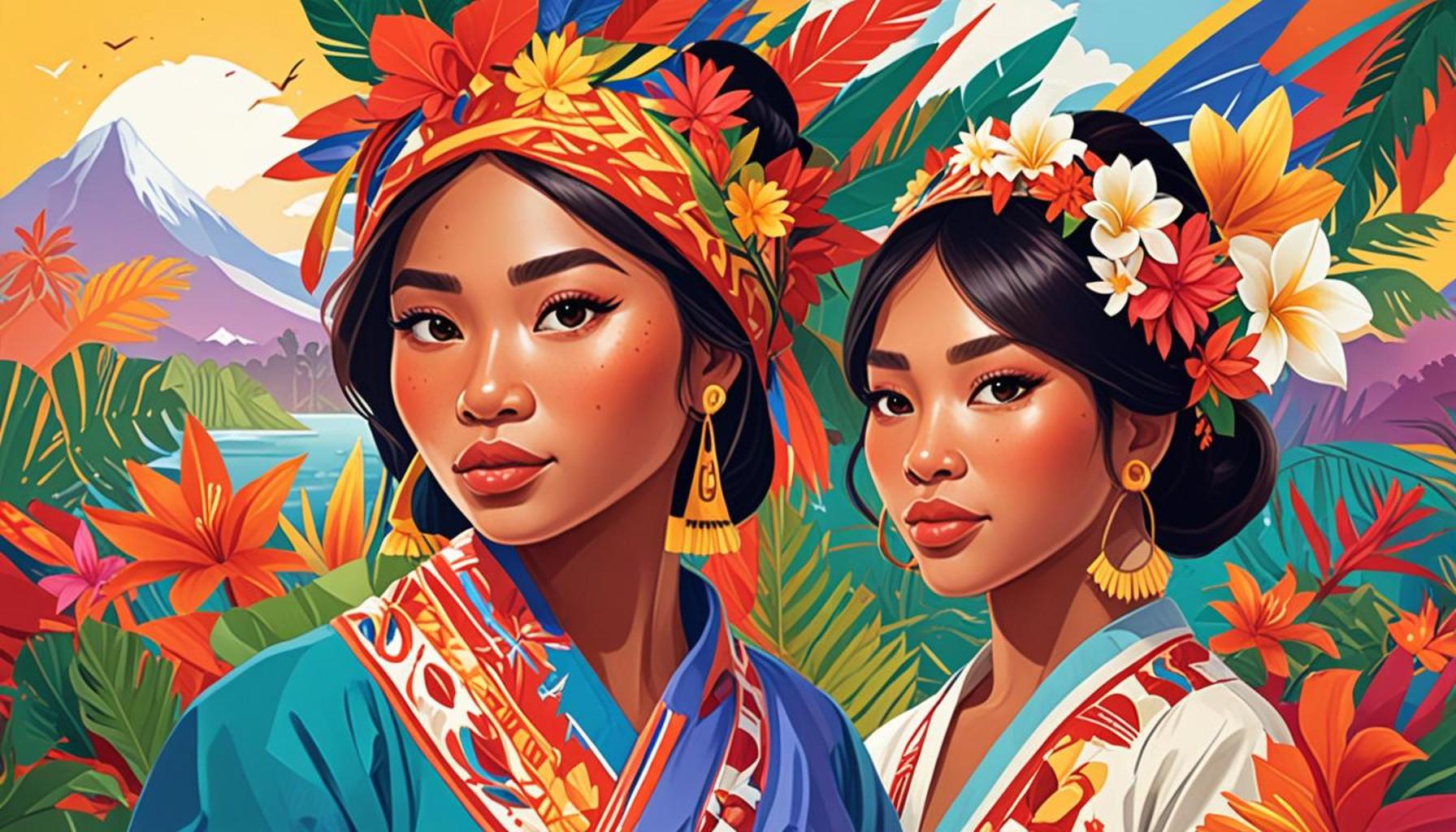
Exploring the Depths of Filipino Culture
The cultural landscape of the Philippines is a dynamic fusion that reflects centuries of history, diverse populations, and evolving narratives. This rich cultural canvas not only influences the arts but also significantly shapes how content is created, shared, and enjoyed across various platforms, especially in the digital world. As more individuals engage online, understanding these cultural nuances is essential for producing authentic and relevant content that genuinely resonates with the Filipino audience.
Key Elements of Filipino Culture
Several foundational factors contribute to the unique cultural influence observed in the Philippines, each revealing a layer of depth and complexity:
- Historical Roots: The Philippines has experienced a blend of colonial influences, particularly from Spain and the United States. This history has birthed a myriad of traditions, from the Philippines’ festive Christmas celebrations characterized by colorful parol lanterns to the rich folk tales like “Ibong Adarna.” This blend creates a compelling narrative tradition that informs contemporary storytelling methods.
- Language Diversity: With over 175 recognized languages, the Philippines stands as a living example of lingual richness. Languages such as Tagalog and Cebuano not only offer unique ways to express thoughts and values but also capture distinct cultural idiosyncrasies inherent in every community. For instance, regional dialects often serve as narratives of identity, encapsulating local humor and wisdom.
- Religious Beliefs: Dominantly influenced by Christianity, especially Roman Catholicism, these beliefs infuse Filipino culture with core values such as bayanihan (community spirit) and malasakit (compassion). Festivals like Sinulog and Ati-Atihan are exemplary of how religious and cultural practices intermingle, influencing both traditional and digital content.
By tapping into these cultural elements, content creators can produce work that resonates with both local and international audiences, enhancing shared understanding and appreciation. The result is rich storytelling that combines local color with universal themes, thus boosting engagement rates on various platforms.
The Role of Community and Connectivity
Community holds a central place in Filipino culture, facilitating collaboration and shared experiences essential for innovative content development. Digital platforms that promote community engagement enable features like:
- Shared Traditions: Content that showcases local festivals, traditional dances, or culinary practices fosters an appreciation for Filipino heritage, allowing users to celebrate their roots and showcase the beauty of their culture online.
- Collaborative Storytelling: The rise of user-generated content across social media platforms like TikTok and Facebook is a game-changer. These platforms allow diverse voices to come together, creating a rich tapestry of narratives while empowering individuals to share their unique experiences and perspectives.
- Relatability: Content that reflects the day-to-day lives of Filipinos, such as humorous TikTok skits about the quirks of family dynamics or frustrations with traffic, captures shared experiences that resonate deeply, forging connections that enhance viewer engagement.
Through these influences, it becomes evident how Filipino culture not only shapes content creation but also crafts a vibrant digital narrative replete with authenticity and cultural relevance. The ongoing exploration of these elements allows for a richer appreciation of what it means to be Filipino in today’s interconnected world, encouraging further inquiry into this fascinating cultural tapestry.
RECOMMENDED: Check out this similar article
Cultural Pillars Shaping Content Creation
Filipino culture serves as a vital foundation for creating authentic and relevant content that captivates audiences both locally and globally. This cultural uniqueness rests on several pillars that guide content creators in their quest to produce material that not only entertains but also enlightens. Understanding these interconnected elements can enhance the artistic quality of digital content while infusing it with cultural significance.
The Importance of Cultural Narratives
At the heart of Filipino society lies a tradition of storytelling that transcends generations. These narratives often serve as the soul of content development, imbuing various forms of media with a distinctly Filipino flavor. Examples of this can be observed in:
- Folk Tales and Epics: Stories like “Rizal’s Noli Me Tangere” or “Florante at Laura” reflect the rich literary heritage of the Philippines. Content that draws from such narratives can effectively connect with viewers, invoking a sense of nostalgia while addressing current issues.
- Modern Adaptations: Filmmakers and writers who weave traditional storytelling within modern contexts—such as the film “Heneral Luna,” which highlights historical events—demonstrate the adaptability of Filipino narratives. This technique bridges generational gaps, making cultural stories relevant to younger audiences.
- Visual Arts: Filipino graphic novels and visual narratives, including works by renowned artists like Howie Severino, utilize local folklore, creating an engaging blend of art and culture. Through these platforms, creators convey deep cultural messages while fostering a sense of belonging among viewers.
This emphasis on cultural narratives heightens the engagement potential of content by building a connection with its audience through shared history and experience.
The Role of Family and Values in Content
The concept of family plays a pivotal role in Filipino culture and is often reflected in the content produced. Values such as unity, respect, and humor are central themes that resonate deeply within Filipino households. Content that showcases these values can create an emotional bond with the audience. Consider the following:
- Family-Oriented Content: Television shows and web series like “Eat Bulaga!” and “Ang Probinsyano” focus on familial relationships and community ties, illustrating the significance of support systems. These programs often feature tale poignant moments that echo the everyday lives of Filipinos, prompting viewers to reflect on their circumstances.
- Humor as a Uniting Element: Filipino humor, which often involves light-hearted banter and wordplay, finds its way into content across genres. Comedians like Jose Manalo and Wally Bayola leverage humor derived from everyday scenarios, creating an appeal that brings laughter and joy to various audiences—even amid life’s struggles.
- Exemplifying Values: Content that highlights core values, such as “pagmamano” (the act of showing respect to elders), promotes cultural continuity. By showcasing these practices in content, creators help reinforce their importance in modern Filipino society, making them relatable for younger generations.
As creators delve deeper into these cultural intricacies, they become better equipped to craft messages that resonate within the Filipino consciousness. This ensures not only the authenticity of content but also its relevance in an ever-evolving digital landscape, inviting viewers on a journey through the vibrant storytelling traditions that define Filipino identity.
| Cultural Element | Impact on Content Creation |
|---|---|
| Traditions | Incorporating Filipino values enriches the narrative depth, creating a relatable backdrop for various themes. |
| Arts and Crafts | Utilizing traditional art forms inspires visual storytelling that resonates with diverse audiences, making the content visually appealing. |
| Language | Fusing local dialects with English can create a unique voice in storytelling, engaging both local and international readers. |
| Food Heritage | Highlighting dishes and culinary practices offers an authentic glimpse into Filipino lifestyle, appealing to food enthusiasts worldwide. |
Further exploring these elements illustrates how the richness of Filipino culture influences modern content creation, ensuring that it remains both authentic and relevant. For instance, by weaving in traditional practices, creators can evoke strong emotional responses, allowing readers to connect deeply with the content. This blend not only preserves cultural heritage but also invites a broader audience to appreciate the complexity and beauty of Filipino culture.Moreover, addressing current social issues through the lens of Filipino traditions will resonate with many who seek meaningful connections in the media they consume. As content creators harness these cultural elements, they celebrate Filipino identity, offering genuine narratives that foster understanding and appreciation among diverse communities. The continuous intertwining of culture and content ensures the evolution of compelling, authentic stories that reflect the Filipino experience, while remaining relatable to a global audience.
RECOMMENDED: Check out this similar article
Cultural Symbols and Practices Enriching Content Development
Beyond the foundational narratives and familial values, the vibrancy of Filipino culture is manifested in its symbols and practices, which add layers of meaning and authenticity to content creation. These elements are deeply entrenched in the daily lives of Filipinos and have a powerful resonance that can captivate both local and international audiences when incorporated thoughtfully into various content forms.
The Impact of Traditional Festivals
Filipino festivities, such as the vibrant Sinulog and Ati-Atihan, play a crucial role in shaping cultural expressions within digital content. These festivals are not just local celebrations; they are a showcase of traditions, music, dance, and art that can be translated into various creative forms:
- Documentary Films: Documentarians often frame narratives around these festivals, capturing the essence of Filipino spirit and community. For example, films that showcase the Davao Kadayawan Festival provide insights into the diverse indigenous cultures of the Philippines, offering a tapestry of stories that highlight unity and cultural pride.
- Social Media Campaigns: Brands are increasingly leveraging festival themes to craft engaging campaigns. Utilizing cultural motifs during festive periods allows brands to connect deeply with their audience, effectively tapping into the collective sentiment and nostalgia that festivals evoke.
- Virtual Experiences: With the rise of digital platforms, virtual depictions of these festivals have emerged, encouraging participation even from afar. Events livestreamed on social media provide a global audience with an opportunity to engage with Filipino culture, fostering appreciation and understanding.
The Fusion of Languages and Dialects
Language is an essential vehicle for conveying cultural identities, and the multilingual landscape of the Philippines enriches content creativity. Incorporating local dialects such as Tagalog, Cebuano, and Ilocano into content can enhance relatability and foster deeper connections:
- Localized Marketing: Advertisements and marketing campaigns that utilize the vernacular are often more effective, resonating with audiences at a personal level. Using local dialects fosters a sense of community and often captures the playful nuances of Filipino humor and emotion.
- Theater and Music: The integration of regional languages in theatrical performances and songs allows artists to maintain cultural authenticity. Composers and playwrights such as Freddie Aguilar or Gawad Urian award-winning playwrights celebrate regional works that emphasize local dialects, thus ensuring that Filipino heritage remains alive in the arts.
- Influence on Global Content: The inclusion of multilingual elements draws attention to Philippine culture on a global scale. With the worldwide popularity of films like “Crazy Rich Asians,” which features English mixed with Filipino phrases, content creators can showcase the beauty of Philippine languages to international audiences.
By embracing these symbols and practices, content creators harness the richness of Filipino culture, allowing for the development of materials that are not only authentic but also relevant. This awareness helps promote cultural pride while fostering an inclusive narrative that connects with diverse audience backgrounds, ultimately celebrating the extraordinary heritage of the Philippines.
ADDITIONAL INSIGHTS: Expand your understanding here
Conclusion: The Cultural Tapestry of Content Development
As we explore the influence of Filipino culture on the development of authentic and relevant content, it is evident that the rich tapestry of traditions, languages, and celebrations serves as both a foundation and an inspiration for content creators. The unique blend of cultural symbols and practices, from local festivals to multilingual expressions, enhances storytelling and fosters connections that resonate deeply with audiences.
Moreover, by incorporating traditional Filipino themes, whether through immersive documentaries, vibrant social media campaigns, or innovative virtual experiences, content becomes a portal that transcends cultural barriers. The recognition of cultural heritage not only enriches local narratives but also elevates the Philippines’ profile on the global stage, allowing for a shared understanding and appreciation of its diverse identities.
In a world increasingly connected by digital platforms, recognizing and celebrating Filipino culture in content development is crucial for maintaining authenticity and relevance. Content creators are empowered to craft narratives that reflect the heart and soul of the Philippines, promoting cultural pride and inclusivity. With this awareness, they can further enrich their work, ensuring that Filipino voices and stories are heard, valued, and celebrated widely.
In conclusion, the path towards developing authentic content is paved with the vibrant influences of Filipino culture, inviting those who engage with it to discover a wealth of stories that reflect not only local truths but also universal values that connect us all.